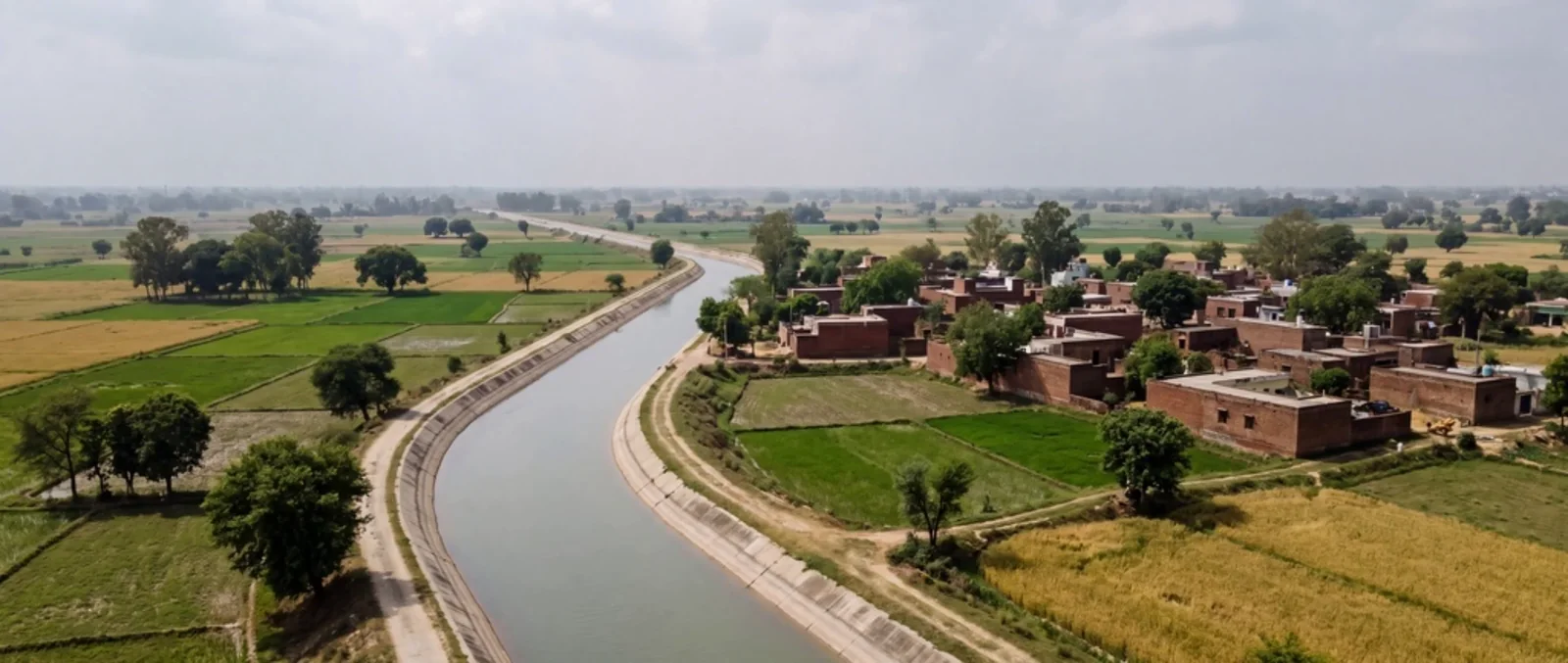
Aerial view of a canal running through green fields beside a brick village, with neem and kikar trees
Coming soon · starting in western Uttar Pradesh

The carbon is already on the farm.

Residue, water, trees and soil, measured on the field.

Carbon creditsfrom the field

Measured on the field, sold as credits, with every payment to the farmer on a statement they can read.

  • Biochar
  • Rice methane
  • Agroforestry
  • Soil carbon
  • Rock weathering
  • Biogas from residue
Who it’s for

Who are you?

Ten groups in five kinds, through seven doors: who the carbon comes from, who buys, who we work for, who funds, and who builds with us. Pick yours.

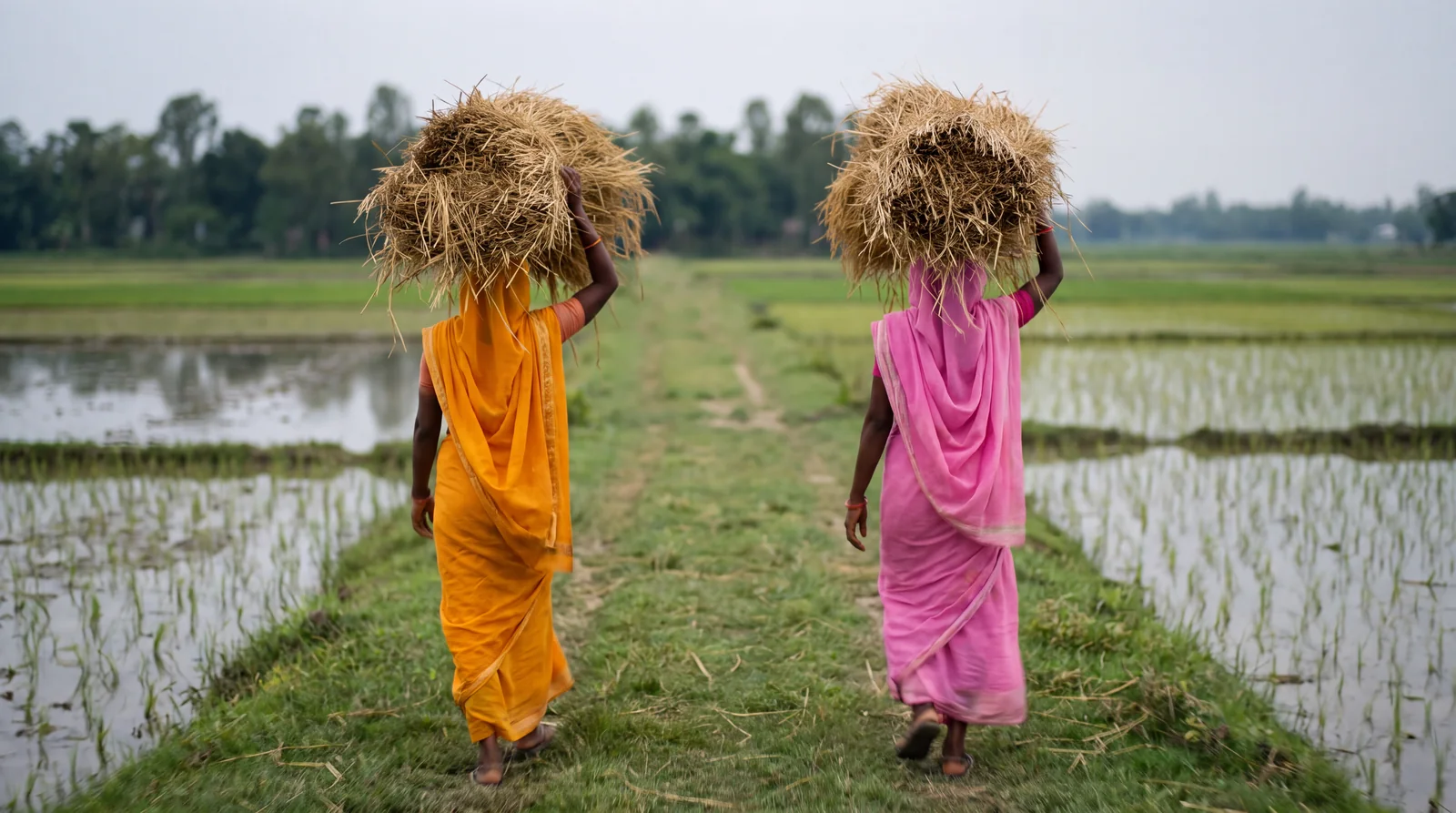
Two women carrying straw along a bund between newly planted rice fields
Supply · Farmers and farmer groups

Your residue and your practice can earn.

  • Your residue bought and your practice paid for, plot by plot.
  • Every payment on your own statement, on fixed dates.
  • Nothing asked that risks the harvest without cover.
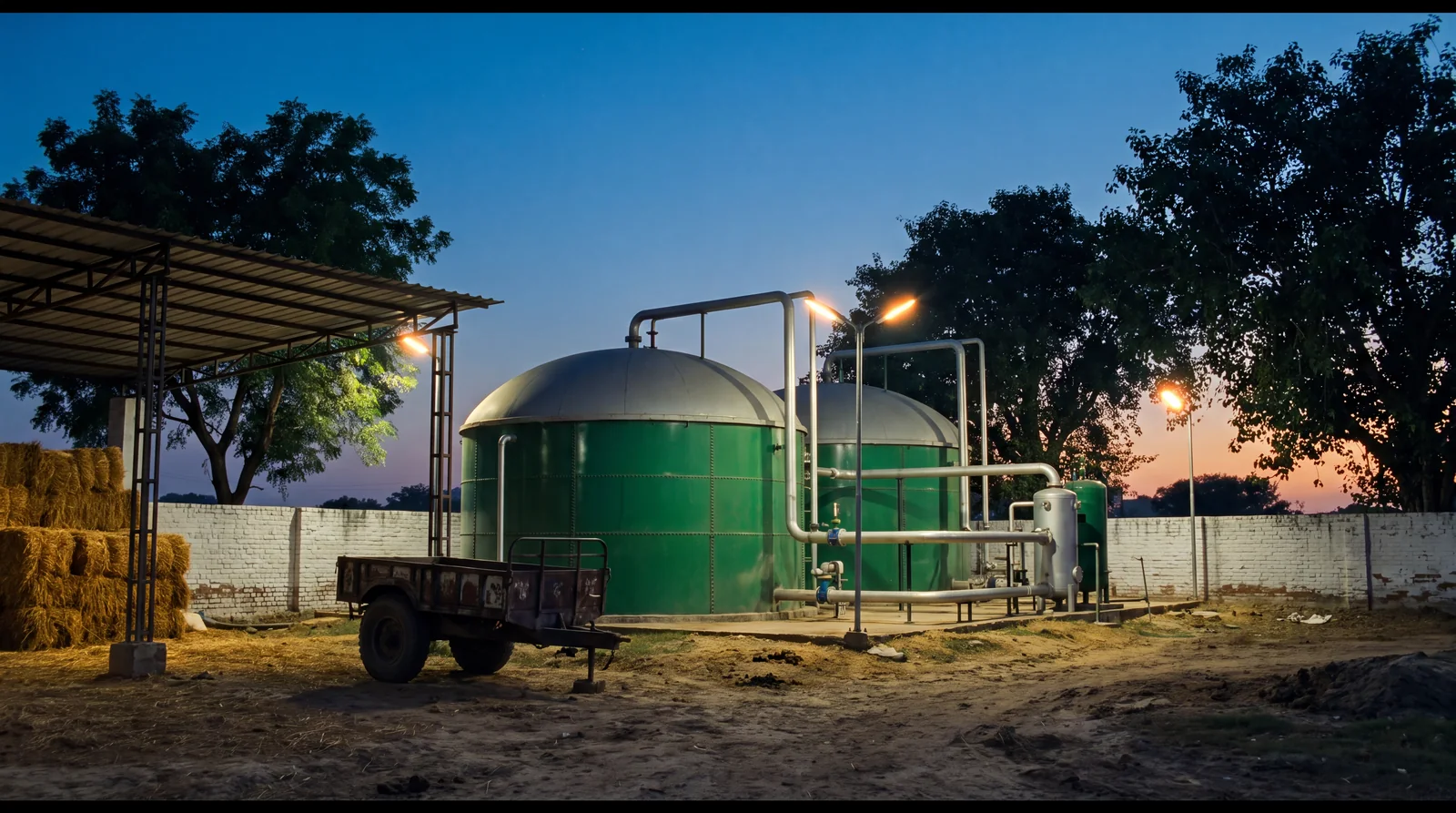
A biogas plant at dusk, straw bales under a shed and trees behind the wall
Supply · Plant owners

Your plant already cuts carbon. We bring it to market.

  • Biogas plants, sugar mills, rice mills, ginneries and kiln operators.
  • We carry the methodology, the documents, the measurement and the registry filings.
  • You keep the plant, its product and its credits; buyers pay you directly.
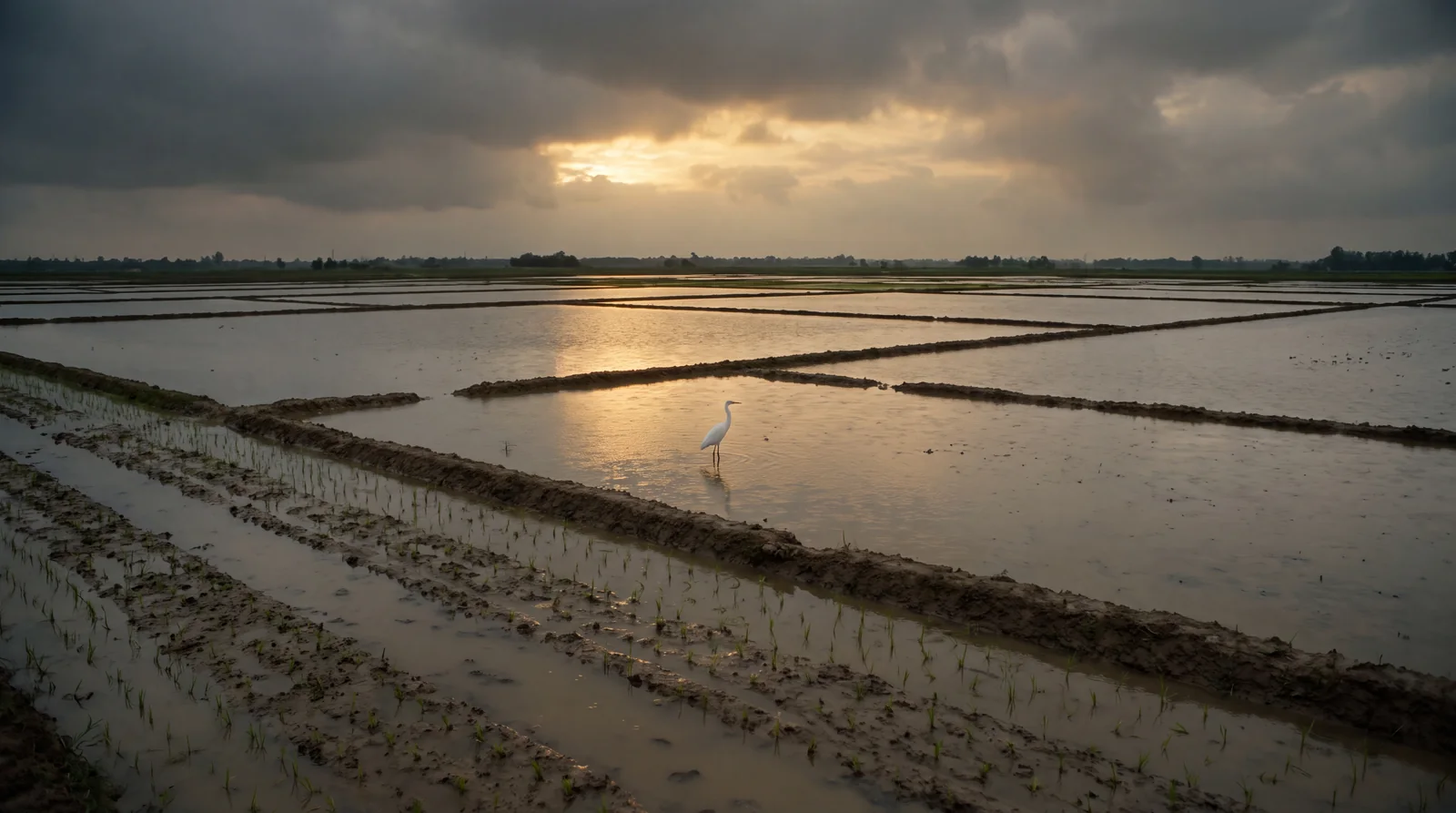
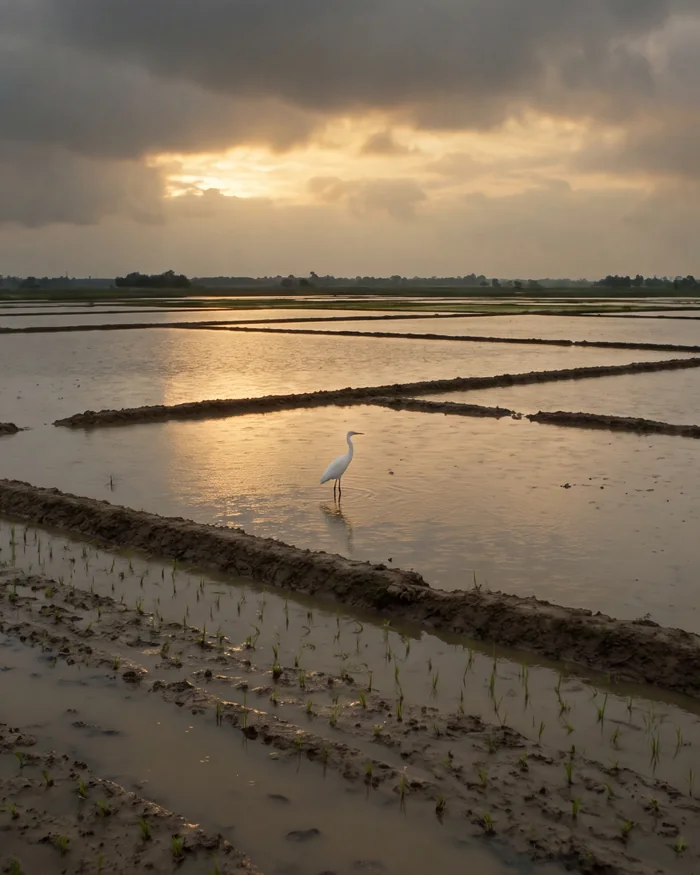
Flooded rice paddies under monsoon clouds, an egret standing in the water
Demand · Credit buyers

Credits you can trace to a field.

  • Removal and avoidance credits from Indian farms and plants.
  • Every tonne traced to a field, a season and a practice.
  • Retired in your own registry account; we hold none to trade.
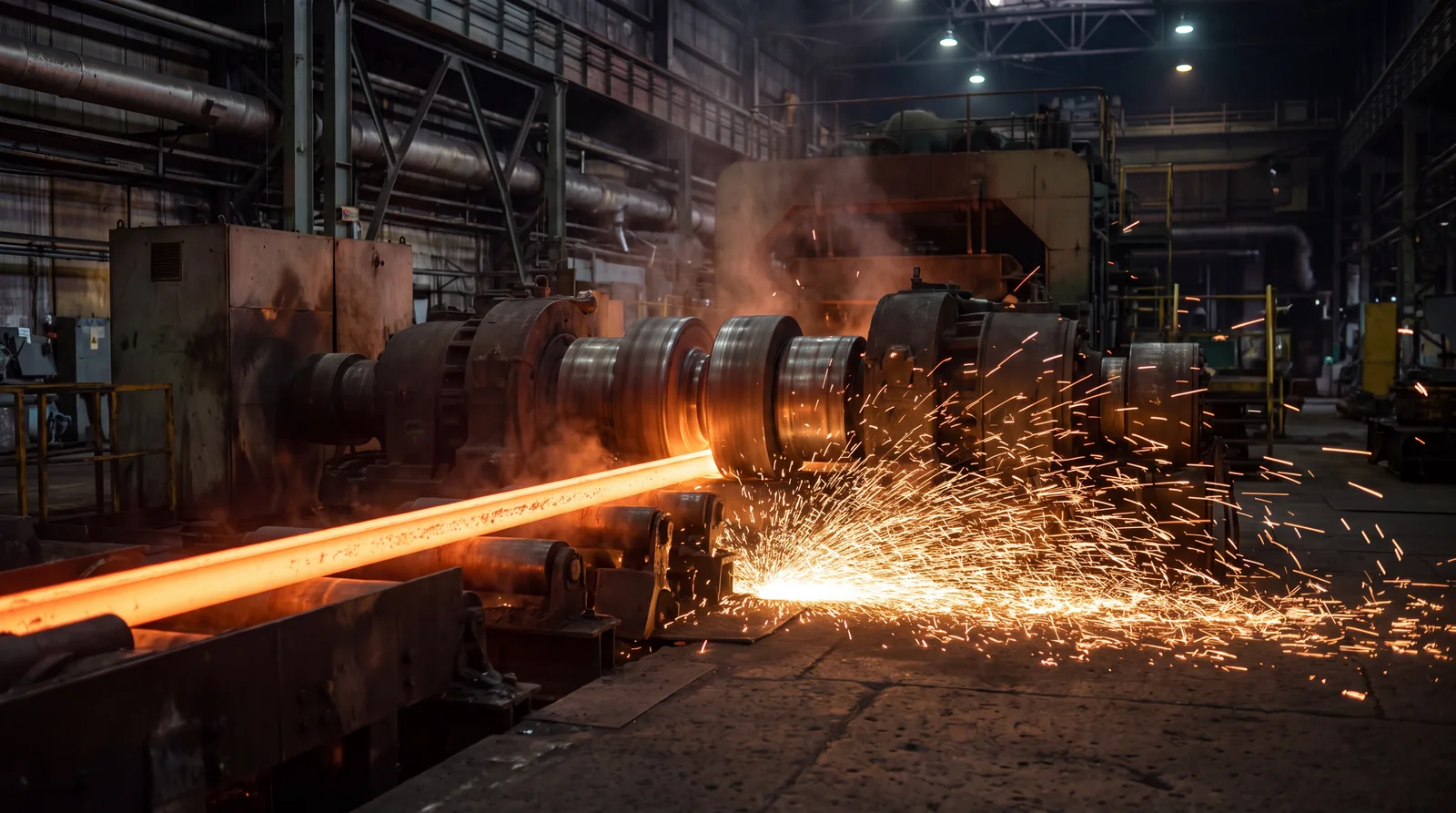
A glowing steel bar running through the rollers of a mill
Demand · Industry and exporters

Help with India's carbon market and the EU border tax.

  • Plants with emissions-intensity targets under India's carbon market.
  • Exporters whose EU buyers ask for the embedded emissions of what they buy.
  • Accounting, reporting and readiness, one plant or a whole cluster at a time.
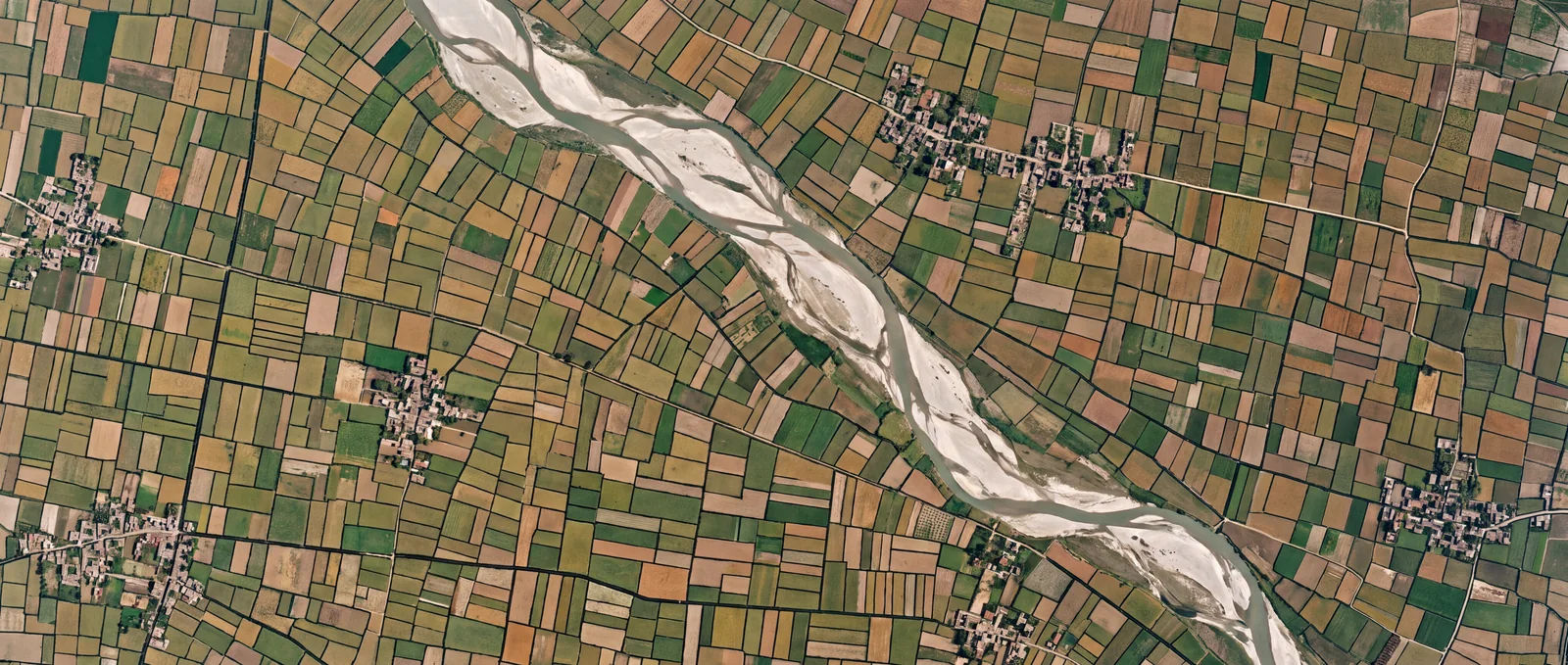
Farmland and a braided river seen from above
Services · Project developers

Feasibility to registry, for your project.

  • Feasibility, baselines and the right methodology.
  • Project documents, measurement, sampling and remote sensing.
  • Registry filings as your authorised representative, in India and abroad.
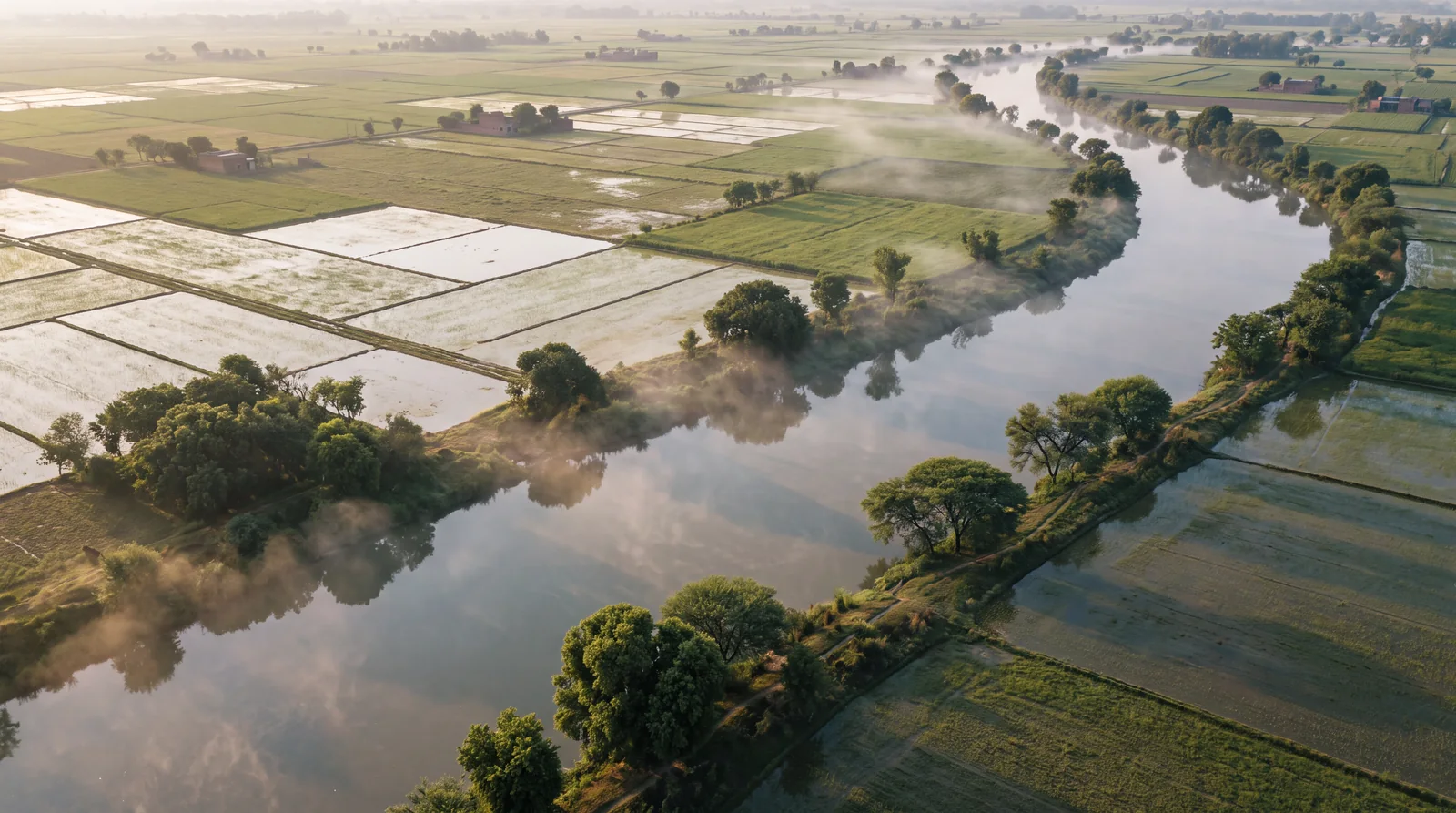
Flooded rice fields and a winding river in morning mist, trees along the bank
Money · Funders

Money before the credit, and a finance layer at GIFT IFSC in our future plans.

  • Forward purchases, paid before issuance and settled in credits.
  • Construction finance arranged between the lender and the owner.
  • A finance layer at GIFT IFSC is in our future plans; nothing here is on offer yet.
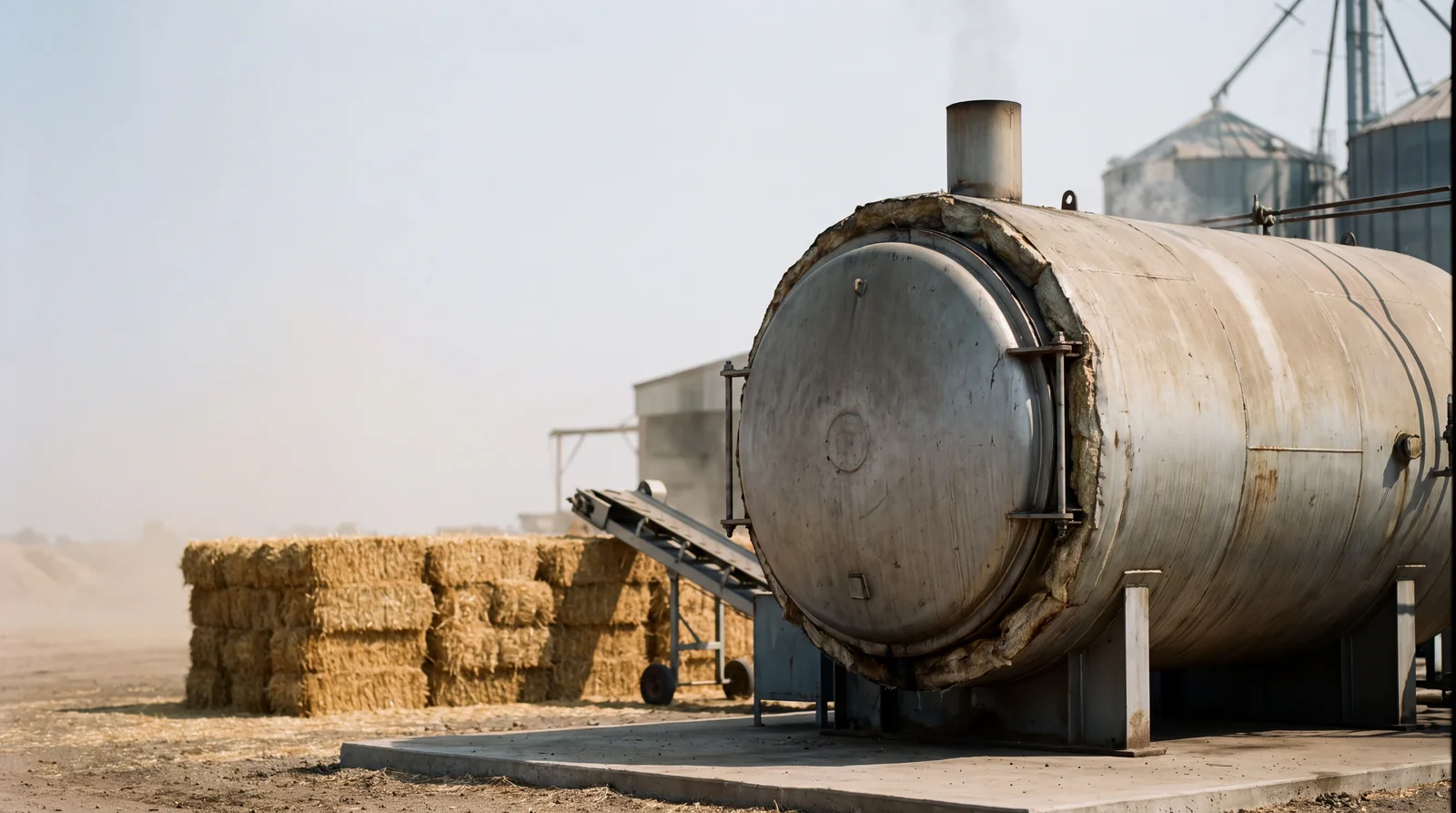
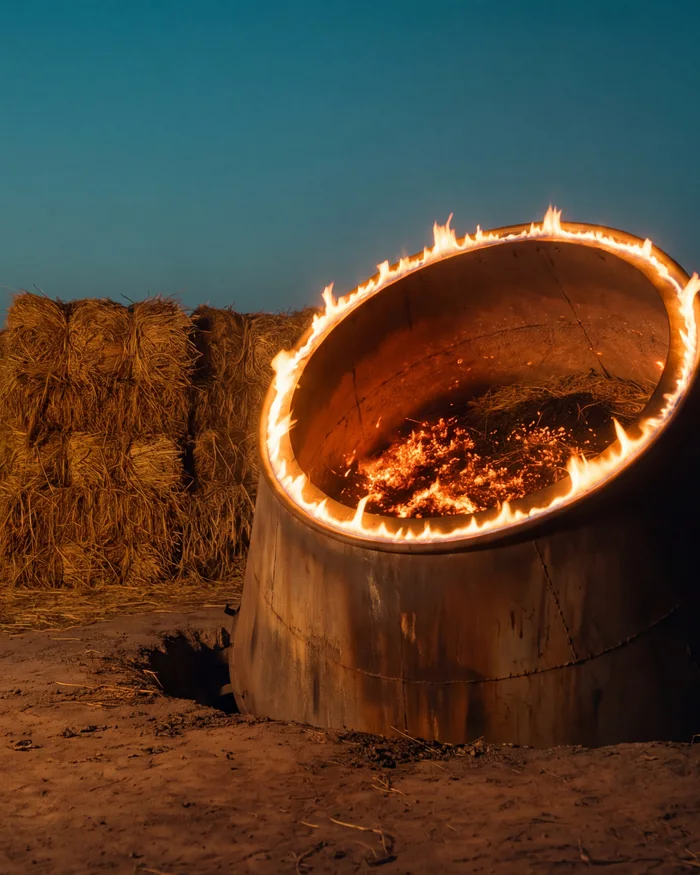
A steel retort beside stacked straw bales in a grain yard
Partners · Partners

Equipment makers, labs, research and programmes.

  • Kiln, reactor and digester makers.
  • Measurement labs, universities and research institutes.
  • Public programmes and input companies that reach the same farms.
Rice stubble burning in a field at dusk under a column of smoke
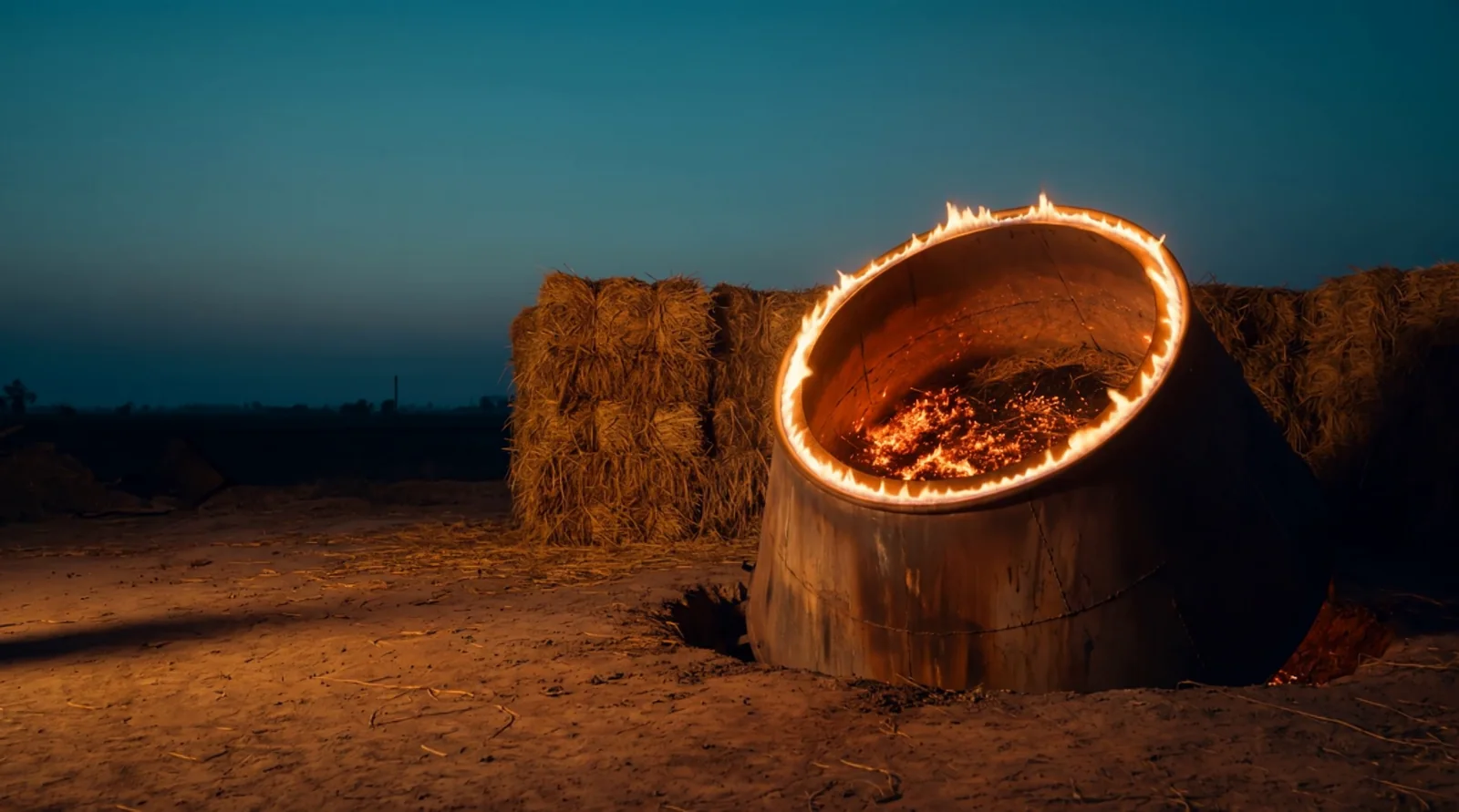
A flame-cap kiln glowing with embers at twilight beside straw bales
Two futures

The same straw. Two futures.

Burned

It becomes smoke over the plain, and nothing goes back to the soil.

Carbonised

It becomes char that goes back to the field, and the residue is bought from the farmer.

The farm
is ready.
The market is not.

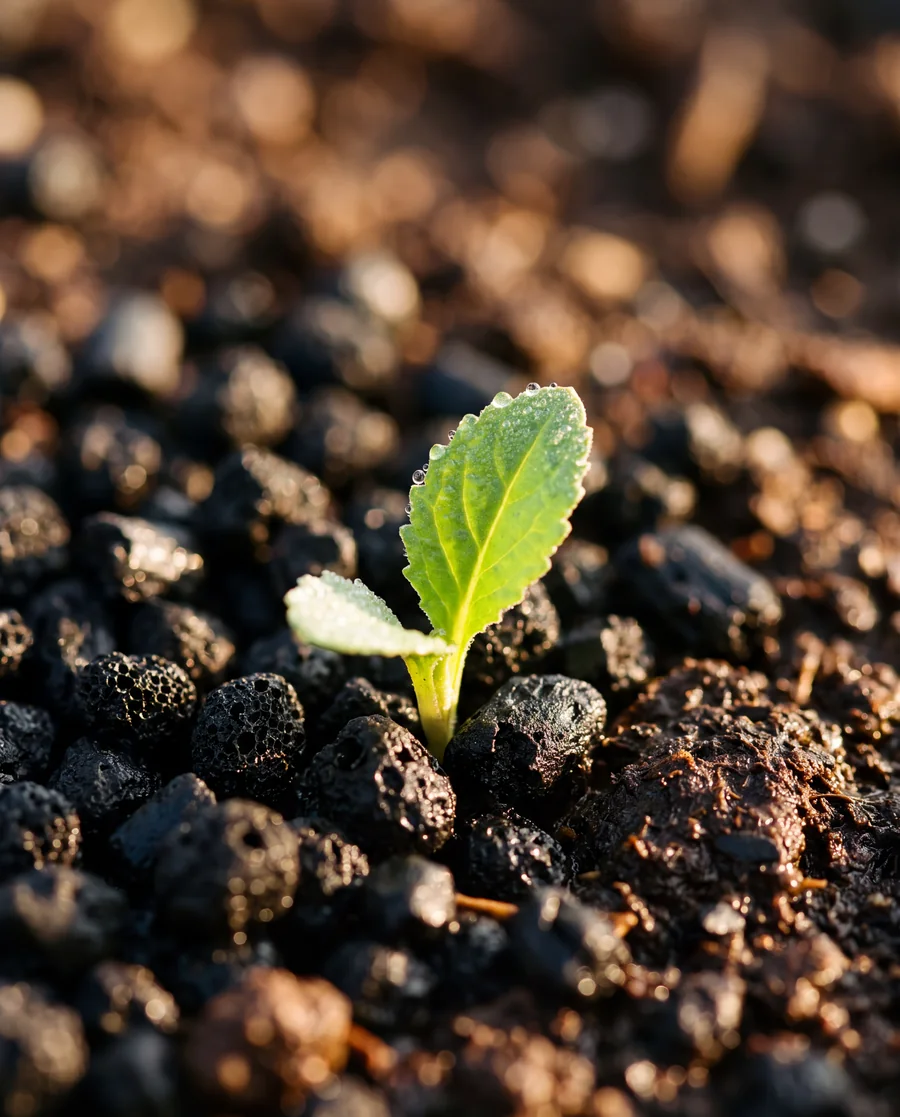
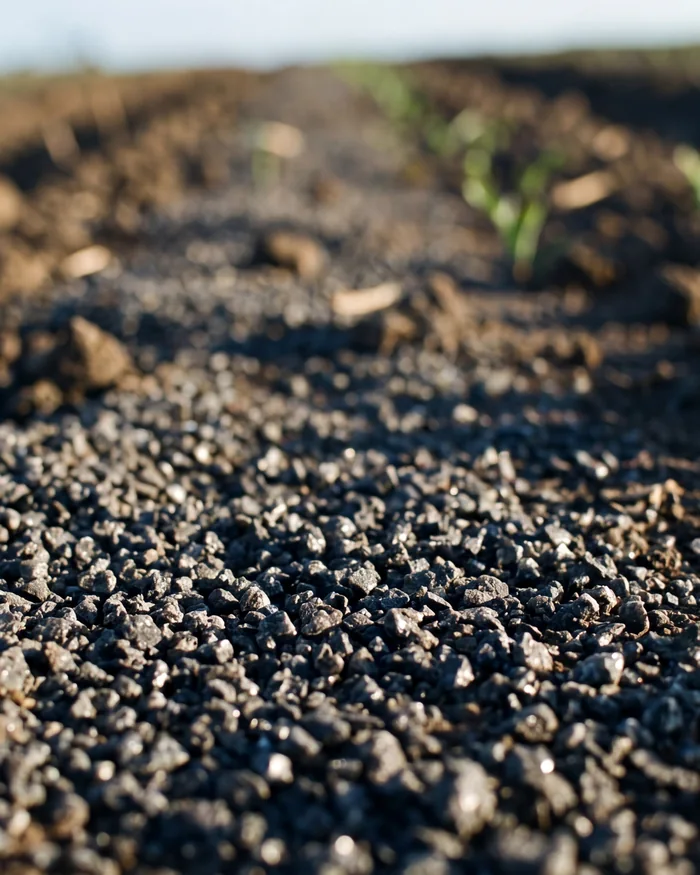
A seedling growing from soil mixed with black biochar

Smallholders already hold the land, the residue and the soil the world needs to remove carbon.

What is missing is the measurement, the market and the money reaching the field.

The farmer, the project owner, the measurement and the buyer all need to be connected for the credit to reach the market.

The work comes first and the money comes last. A developer with a balance sheet can wait. A farmer cannot.

Storm clouds and shafts of light over rice fields and an irrigation channel

Every season, on the field.

Storm clouds and shafts of light over rice fields and an irrigation channel
On the ground

The work, in pictures.

From the residue at the weighbridge to the gas at the plant.

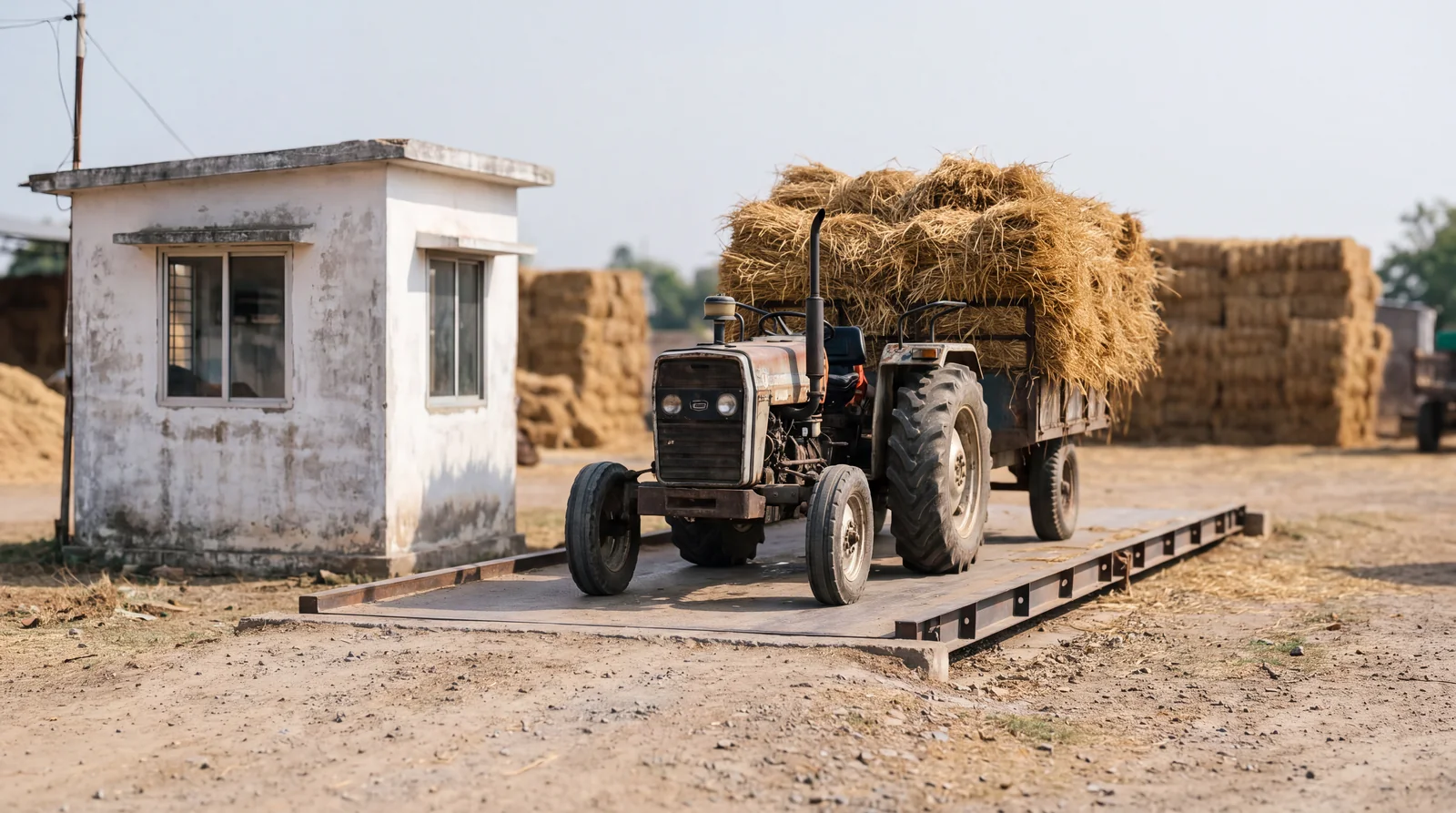
A tractor with a trolley of straw on a weighbridge
Residue, weighed
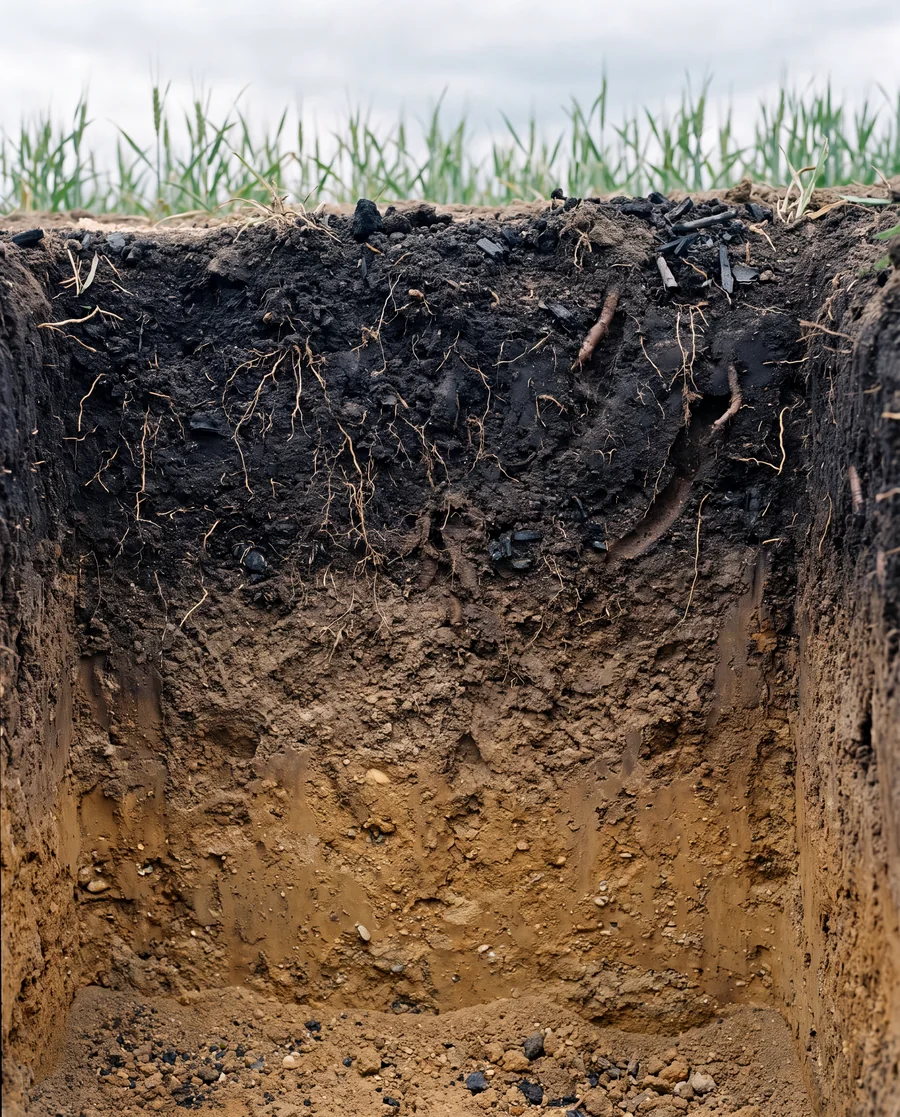
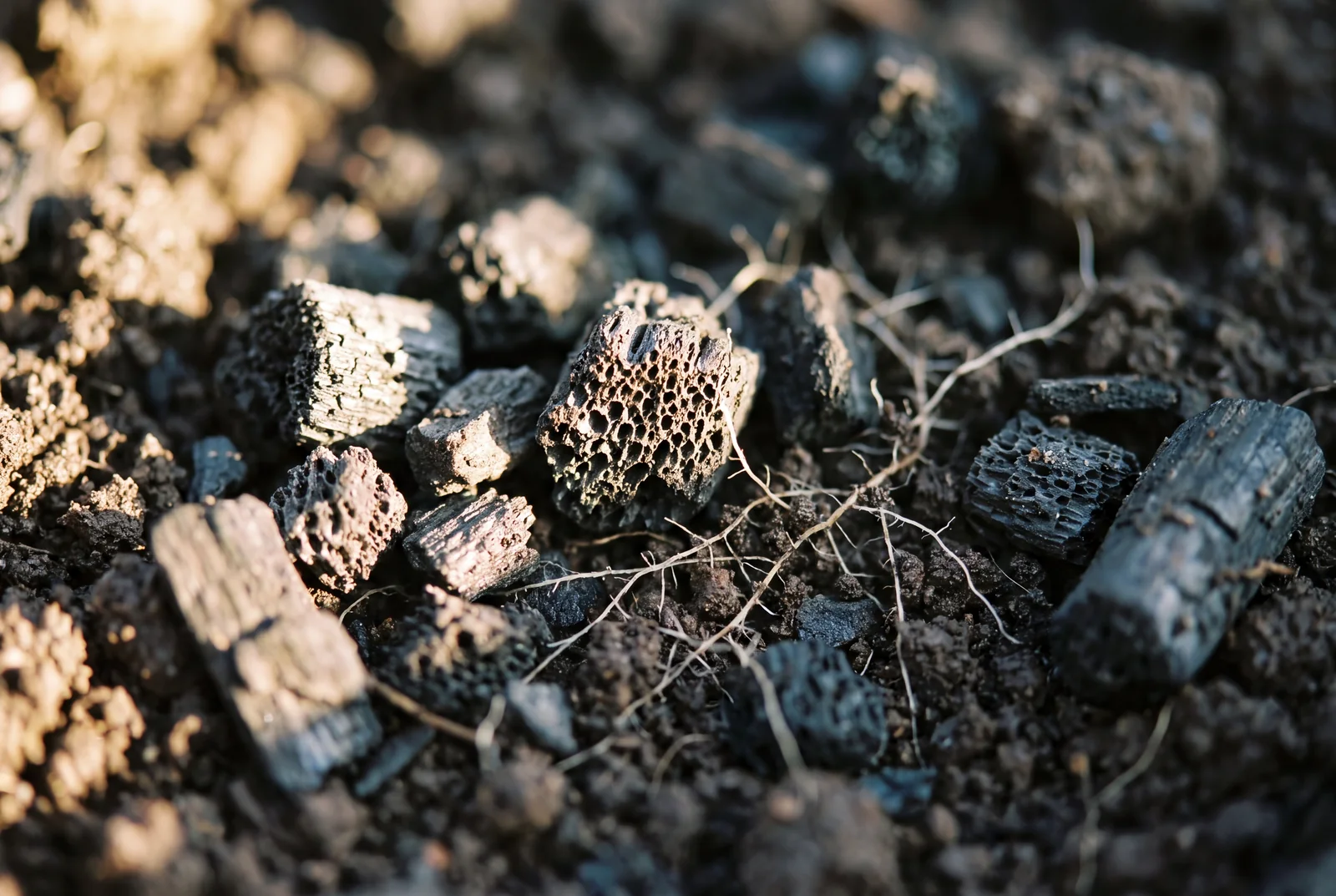
Pieces of biochar in dark soil, with fine roots
The char
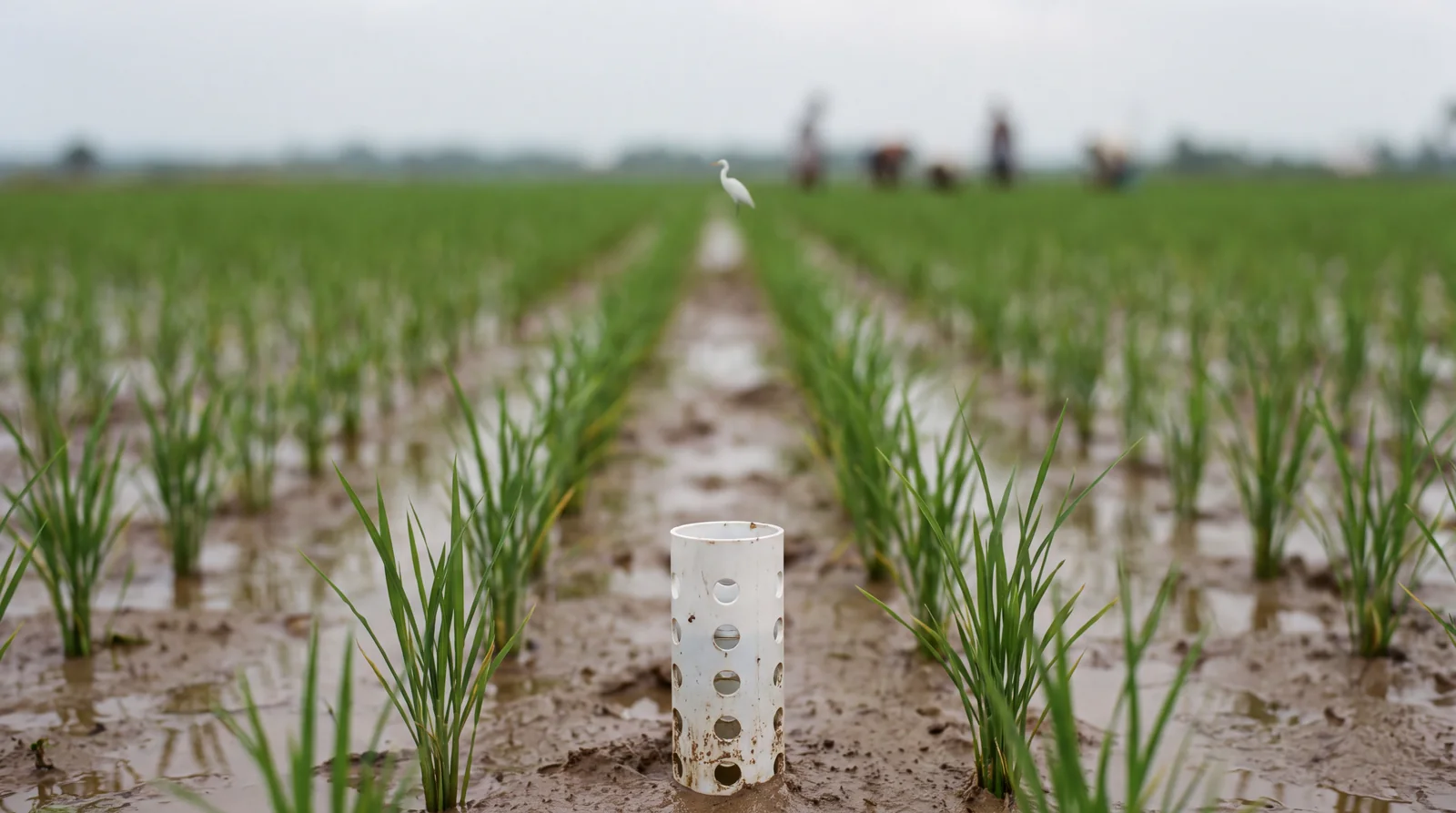
A perforated water tube standing in a young rice field
Water, managed
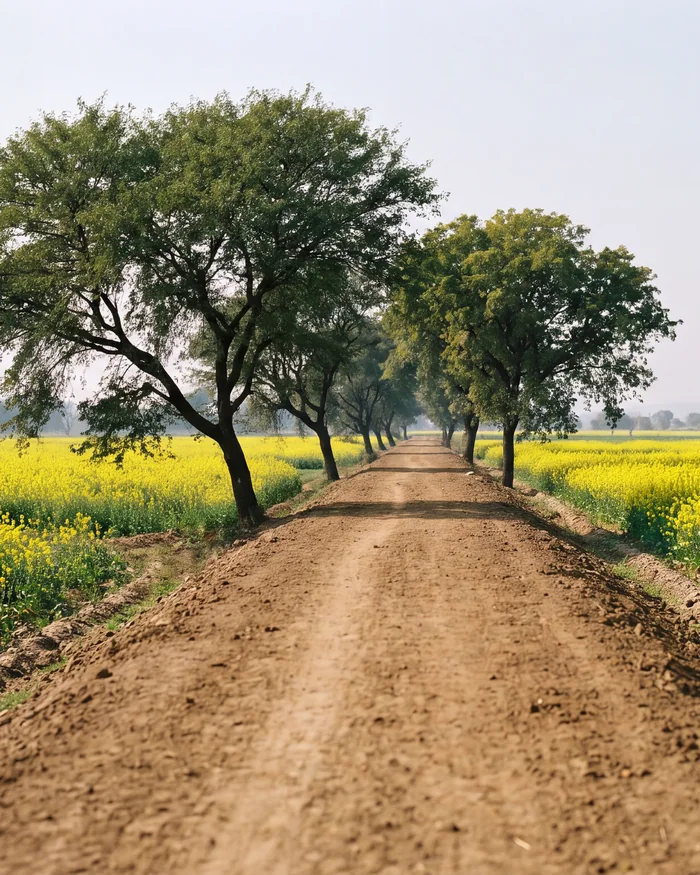
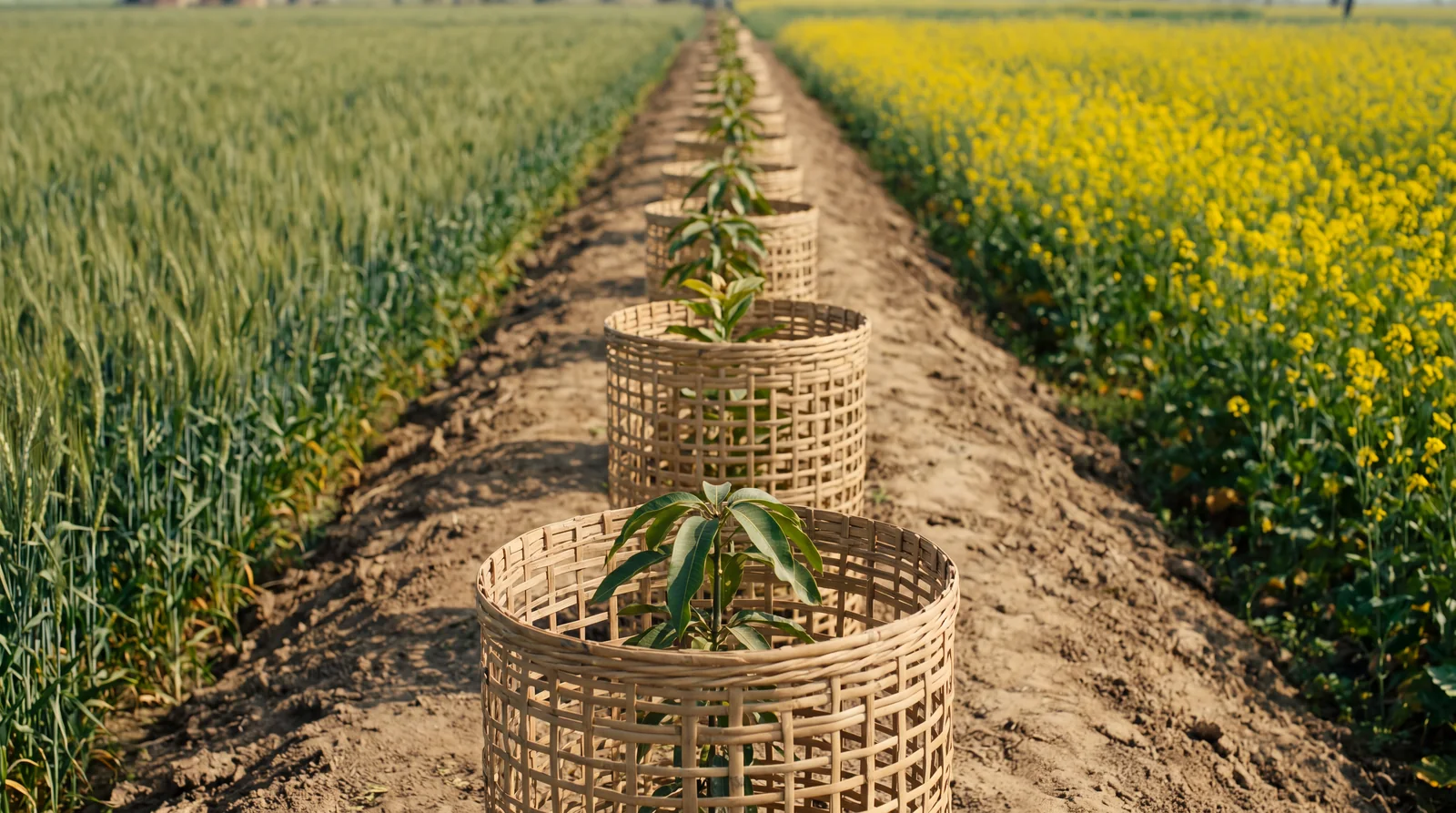
Young trees in woven guards along a bund, wheat on one side and mustard on the other
Trees on the bund
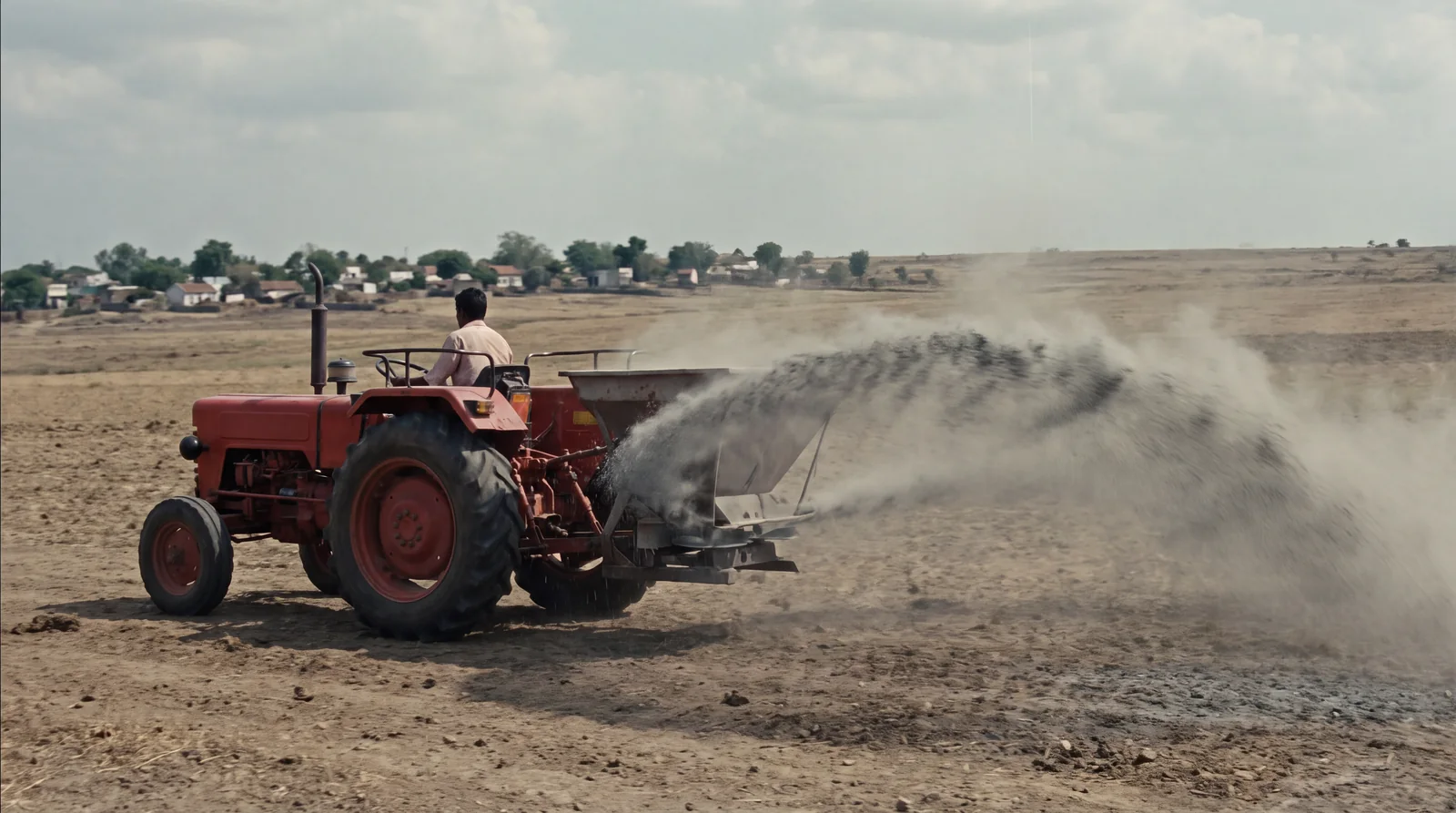
A tractor spreading crushed rock across a ploughed field
Rock on the field
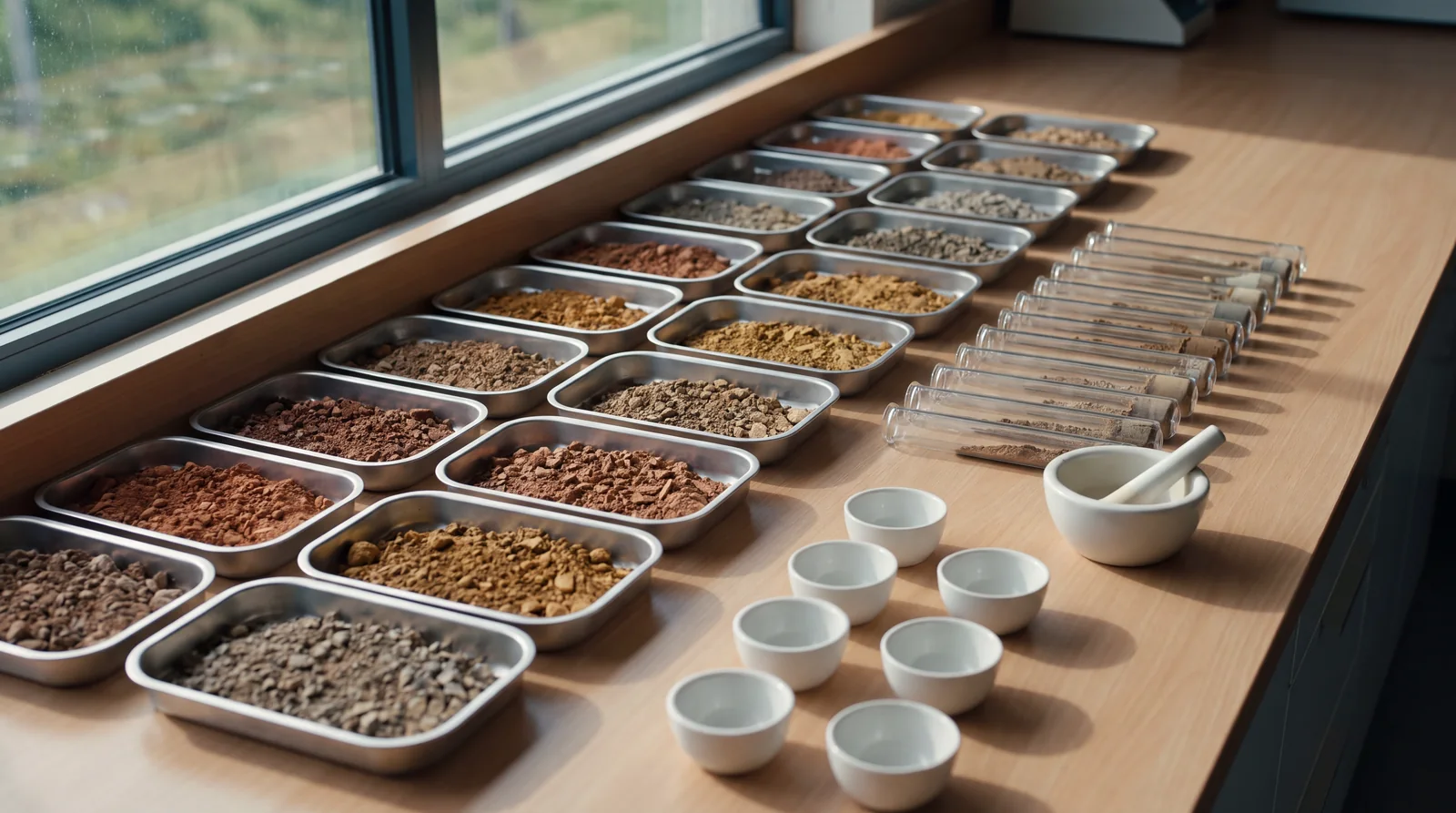
Soil samples laid out in trays on a laboratory bench
Soil, tested
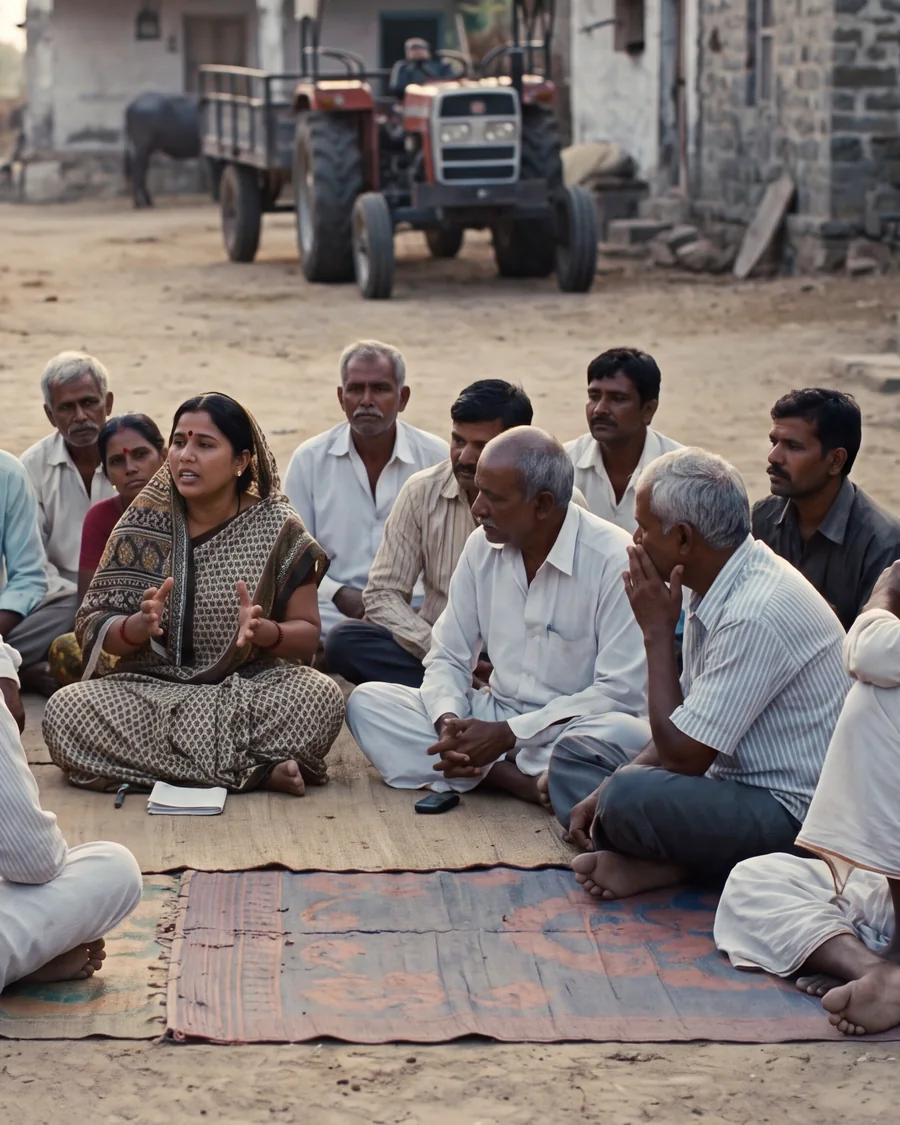
Farmers seated on mats at a village meeting
A village meeting
A biogas plant at dusk, straw bales under a shed and trees behind the wall
Gas from residue

Illustrations. No project has started yet.

Measurement

Measured, not estimated.

Satellite, samples and sensors, every season, against a neighbouring farm. Move across the fields to see the layer the measurement reads.

Farmland and a braided river seen from above
Bare soilLiving crop
Every plot, every season.

Illustration: this layer is computed from the colours of the picture above, standing in for the near-infrared reading a satellite takes.

Enrolment

We start where the farming is already changing. A farm that has just turned can be measured against what it used to be, near a point where the residue already gathers.

Which farms join first

Joins firstA natural-farming cluster, converting this season, near a rice mill

The change starts now, so it can be measured against what the farm used to be. The mill already gathers the residue.

Joins, except for soilA farm that turned to natural farming years ago

It can earn from residue, water and trees. A soil credit needs a new change.

LaterFields far from any mill

The residue has nowhere to go yet.

Not until it is coveredA change that could cut the harvest

We ask for it only when the loss is already covered.

The statement

Every plot gets a statement: what it earned and what was paid, shared only with the farmer and the people they authorise. Here is one plot, from joining to payment.

One plot, from joining to payment

  1. 1
    The plot joins

    The north field, by the bund, enrolled by its farmer with a written agreement. Soil is sampled at the start, paired against a neighbouring farm.

  2. 2
    Every season
    Practice
    Residue to the kiln, char back to the soil
    Measured
    Kiln output, soil samples, satellite
    Checked
    By an auditor who is not us
  3. 3
    The statement
    Credit
    Issued on an international registry
    Sold
    To a buyer, retired in their own account
    Paid
    Into the farmer’s own bank, on a fixed date

From field to credit

Enrol the farm, measure it every season, register it on an international registry, issue the credit, and write the farmer's statement.

  1. 1
    EnrolThe plot joins, with a written agreement.
  2. 2
    MeasureOn the plot, every season.
  3. 3
    RegisterThe project, on an international registry.
  4. 4
    IssueThe credit, after an independent audit.
  5. 5
    StatementEvery payment, shown to the farmer.
1 Enrol 2 Measure 3 Register 4 Issue 5 Statement
  1. Enrol
  2. Measure
  3. Register
  4. Issue
  5. Statement

We never ask a farmer to change a practice that risks the harvest unless the loss is already covered. Until then, only what does not cut yield.

Our promise to farmersFor farmers

The credit you retire points to a field, a season and a practice, and to the statement that shows what it paid.

Our promise to buyersFor buyers

Nobody is paid to sign. What a farmer organisation receives comes from credits that were sold; suppliers are paid as suppliers.

Our promise to partnersFor partners
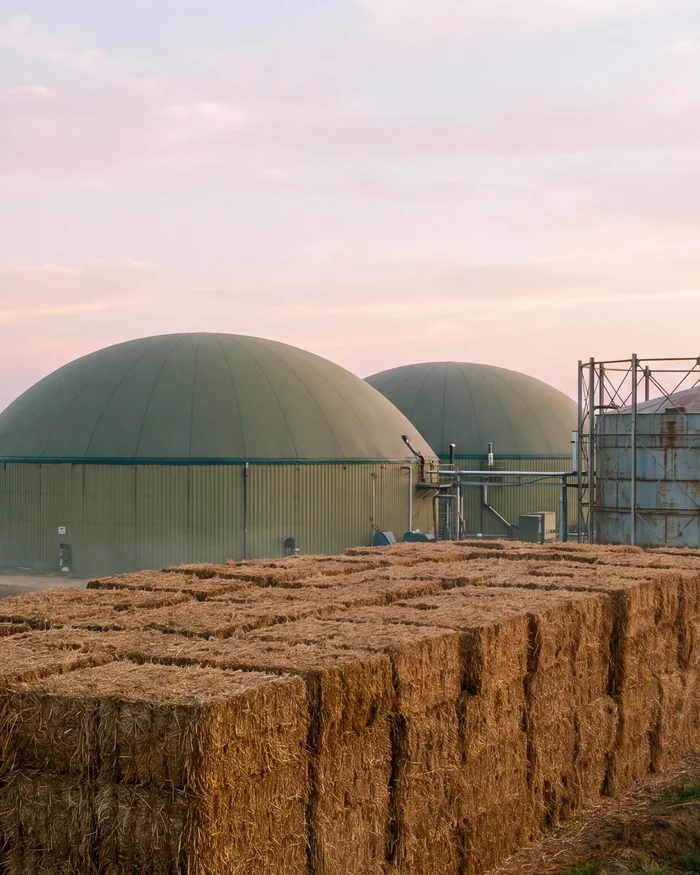
Biogas digester domes beside bales of crop residue at dawn
Already running a plant?

Your plant already cuts carbon.

Biogas plants, sugar mills, rice mills and kiln operators already avoid or remove carbon. We assess the project and its operating records, then carry the measurement and registry work where the project is eligible.

Biogas plantsSugar millsRice mills and ginneriesKiln operators
The whole system

One system.

Ten groups in five kinds, around one company. The registry and the auditor sit outside it: no credit exists until they have checked the project.

Rest on a group, or tap it, to see what it brings and what it gets.

MoneyDemandServicesThe gatePartnersSupplyDevelops the projectMeasures every seasonFinds the buyerWrites the statementFundersCredit buyersIndustry andexportersProject developers,India and abroadRegistry andauditorProgrammes andinput companiesUniversitiesand researchLabs andmeasurementEquipmentmakersPlant ownersFarmers andfarmer groups
Where it starts

Six states to start.

Our first projects are sought in six states, around the mills, ginneries and plants where residue already gathers.

  • Uttar Pradesh
  • Gujarat
  • Rajasthan
  • Madhya Pradesh
  • Maharashtra
  • Haryana
Where the first projects are sought
The rest of India

Nothing signed yet. The first conversations are open.

HRRJUPGJMPMH
A diagram of India’s states, not a map

Credit routes across farms and plants, developed together. The same farm can support several routes where their sources and evidence do not overlap.

BiocharRice methaneAgroforestrySoil carbonRock weatheringBiogas from residue

The farmer relationship also carries returned field data, free training, inputs from partner sellers and a market linkage for produce, all arranged rather than owned. For project owners and corporate buyers, we are building measurement, market access, retirement support and reporting. We are paid only for our own credits, our own services and our own introduction fees.

The farmer applicationMeasurement and dataWork for other project ownersFinding buyersInputs and implementsAgri ProduceCentres on the groundAdvisoryThe finance layer

CarbonVerse Private Limited is being incorporated at GIFT City in the Domestic Tariff Area, and is run from there. The work spans farmer operations, project development, markets, measurement and advisory. A finance layer at GIFT IFSC is in our future plans.

Farmer operationsProject developmentMarkets and capitalMeasurement and dataAdvisory

Questions

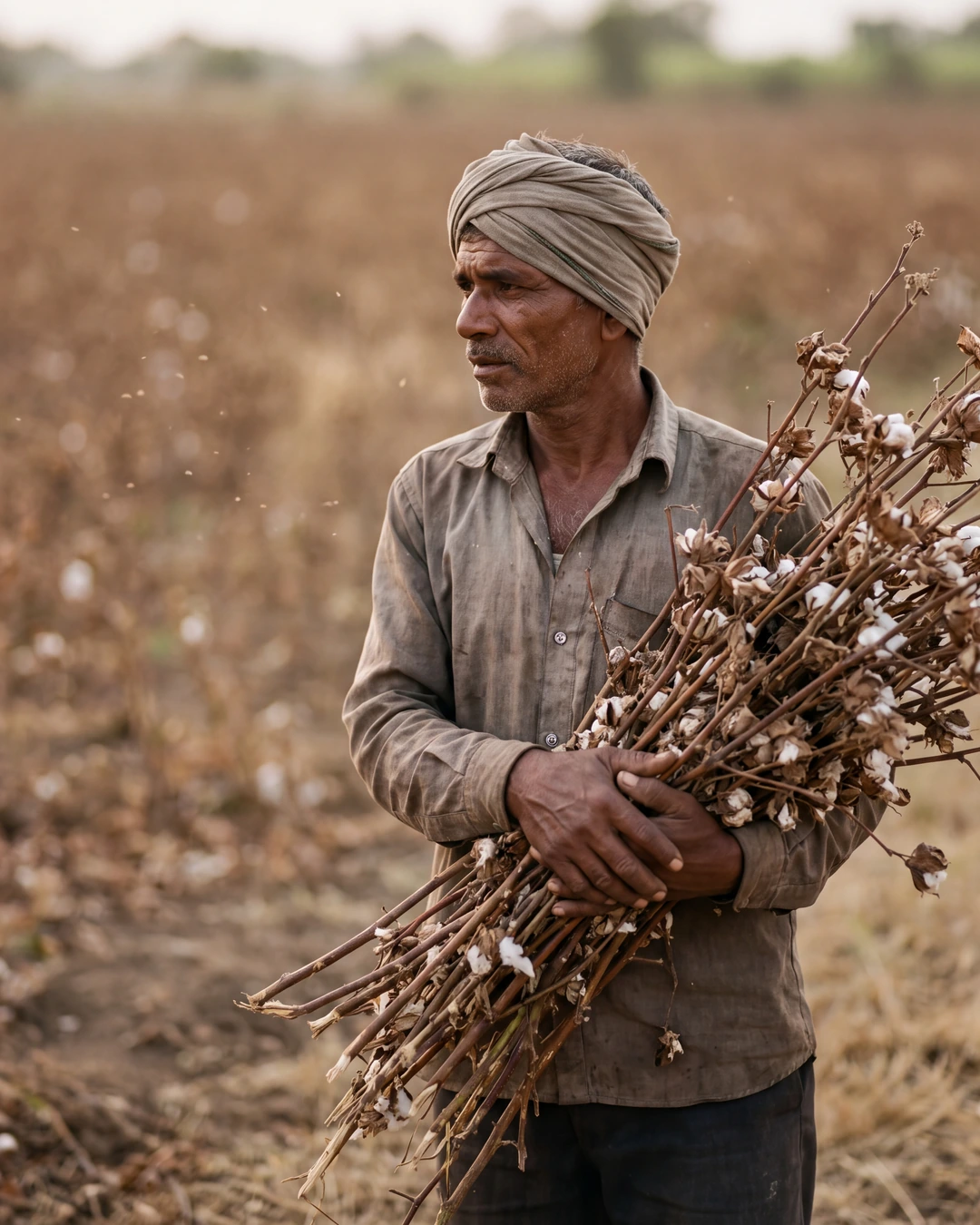
A farmer standing in a green field at golden hour
What is CarbonVerse?
A carbon-credit company in development. We are building projects on Indian farms and plants, services for other project owners in India and abroad, and access to buyers. Farmer payments will be recorded on a statement they can read.
Is it live yet?
Not yet. We are before the first cohort, the first aggregation point and the first buyer. Leave your email and we will write when the first project opens.
Which credits do you develop?
Biochar, rice methane, agroforestry, soil carbon, rock weathering, and biogas from residue. All of them start together, several on the same field, behind one measurement system.
Where is the company?
CarbonVerse Private Limited is being incorporated with its registered office at GIFT City in the Domestic Tariff Area, Gandhinagar, Gujarat, and we run it from there. A finance layer at GIFT IFSC is in our future plans.
Who is behind it?
Dr Ajay Singh Tomar and Mrs Punam Tomar, the founders. Dr Ajay has spent a working life in Indian agriculture. About the founders.